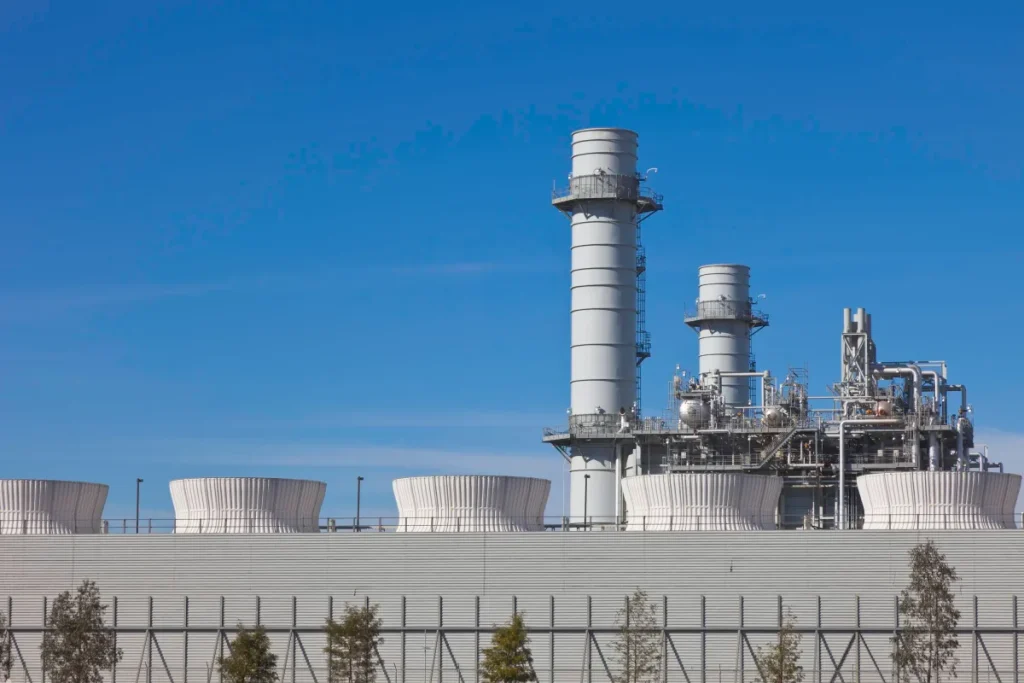
Exxon Mobil is making a bold move into the AI-driven energy sector by planning a new natural gas power plant specifically designed to supply electricity to data centers. This initiative reflects the growing demand for electricity to support the rapid expansion of AI infrastructure, which is expected to significantly strain power grids worldwide over the next decade. The project represents Exxon’s first power plant built for external customers, signaling the company’s strategic pivot to meet technology-driven energy needs.
Responding to AI Data Center Energy Demand
As artificial intelligence workloads grow, tech companies increasingly require dedicated, high-capacity power sources. Industry estimates suggest that nearly half of new AI data centers may face electricity shortages by 2027 if new energy infrastructure is not deployed. Exxon’s planned power facility, expected to generate over 1.5 gigawatts, is intended to meet the massive and growing energy demands of AI operations. By targeting data centers, the company positions itself as a key energy partner for tech firms that require reliable and consistent power for machine learning, AI training, and high-performance computing.
The power plant is designed to operate independently of the electrical grid, avoiding common interconnection bottlenecks that have delayed many large-scale energy projects. Exxon describes the facility as “fully islanded,” providing self-sufficient energy with no reliance on external grid infrastructure. This design ensures consistent electricity delivery to AI data centers, minimizing downtime and operational interruptions. Such independent operation could become increasingly important as AI companies expand globally and require stable energy sources that are not affected by regional grid limitations or power shortages.
Integrating Carbon Capture and Storage (CCS)
Exxon plans to capture and store over 90% of the carbon dioxide produced by the facility. Carbon capture and storage (CCS) technology is still relatively rare for natural gas power plants, making Exxon’s project a potential milestone in decarbonized fossil fuel energy. By integrating CCS, the company aims to reduce the environmental impact of generating high-capacity electricity while meeting regulatory and investor demands for more sustainable energy solutions.
Although CCS adds significant costs to both construction and operations, the financial viability of the project is improved through government incentives, including tax credits under the Inflation Reduction Act. These incentives provide between \$60 and \$85 per metric ton of CO₂ captured and stored, which could help offset some of the additional expenses associated with CCS deployment. By adopting CCS, Exxon is signaling its commitment to reducing carbon emissions while addressing one of the largest energy needs of the technology sector.
Timeline and Industry Context
Exxon anticipates completing the power plant within the next five years, a timeline that is faster than most nuclear energy projects, which are not expected online until the early 2030s. This accelerated schedule aims to address immediate energy needs from tech companies, many of which are investing heavily in AI capabilities. The project will allow tech firms to access dedicated, high-powered electricity while bypassing limitations of the traditional grid.
Despite the potential, Exxon faces competition from renewable energy providers, which have proven capable of deploying power generation rapidly and at declining costs. Google’s recent renewable energy investment, totaling \$20 billion with partners, is expected to contribute electricity to the grid by 2026. Similarly, Microsoft is actively developing a \$5 billion, 9-gigawatt renewable portfolio, including solar projects coming online within months. These developments highlight a competitive landscape in which fossil fuel-based solutions must justify their relevance alongside increasingly viable renewable options.
Technological and Operational Challenges
While carbon capture offers significant environmental benefits, commercial-scale implementation remains challenging. Globally, few power plants have successfully captured large percentages of their emissions, and natural gas facilities with integrated CCS are virtually untested. Existing projects have experienced a wide range of performance outcomes, with some facilities falling short of their carbon capture goals. Effective operation will require advanced engineering, rigorous monitoring, and continuous optimization to meet the 90% capture target.
Exxon’s entry into AI-focused energy infrastructure demonstrates a growing trend of traditional energy companies adapting to technology-driven demands. As AI models grow more complex, their training requirements place enormous stress on electricity networks, creating a market for specialized energy solutions. By offering power plants tailored to AI workloads, Exxon positions itself as both an energy supplier and a strategic partner to leading technology companies.
Strategic Implications for AI and Energy Markets
The entry of an oil giant like Exxon into AI-focused energy infrastructure signals the increasing convergence of the technology and energy sectors. Data centers are becoming critical energy consumers, and companies that can provide dedicated, high-quality electricity stand to benefit from long-term contracts and partnerships with major tech firms. Exxon’s project also positions the company to maintain relevance as global energy markets shift toward decarbonization and low-carbon technologies.
With dedicated energy solutions for AI data centers, Exxon may influence how tech companies plan for capacity expansion while navigating grid limitations and sustainability pressures. The project serves as an example of how traditional energy companies are adapting to the new energy demands created by AI and high-performance computing. By investing in infrastructure that combines natural gas generation with carbon capture, Exxon is attempting to bridge the gap between immediate AI energy requirements and longer-term environmental sustainability.